

With growing concerns about plastic pollution’s effects on health and the planet, many are searching for ways to limit their exposure.
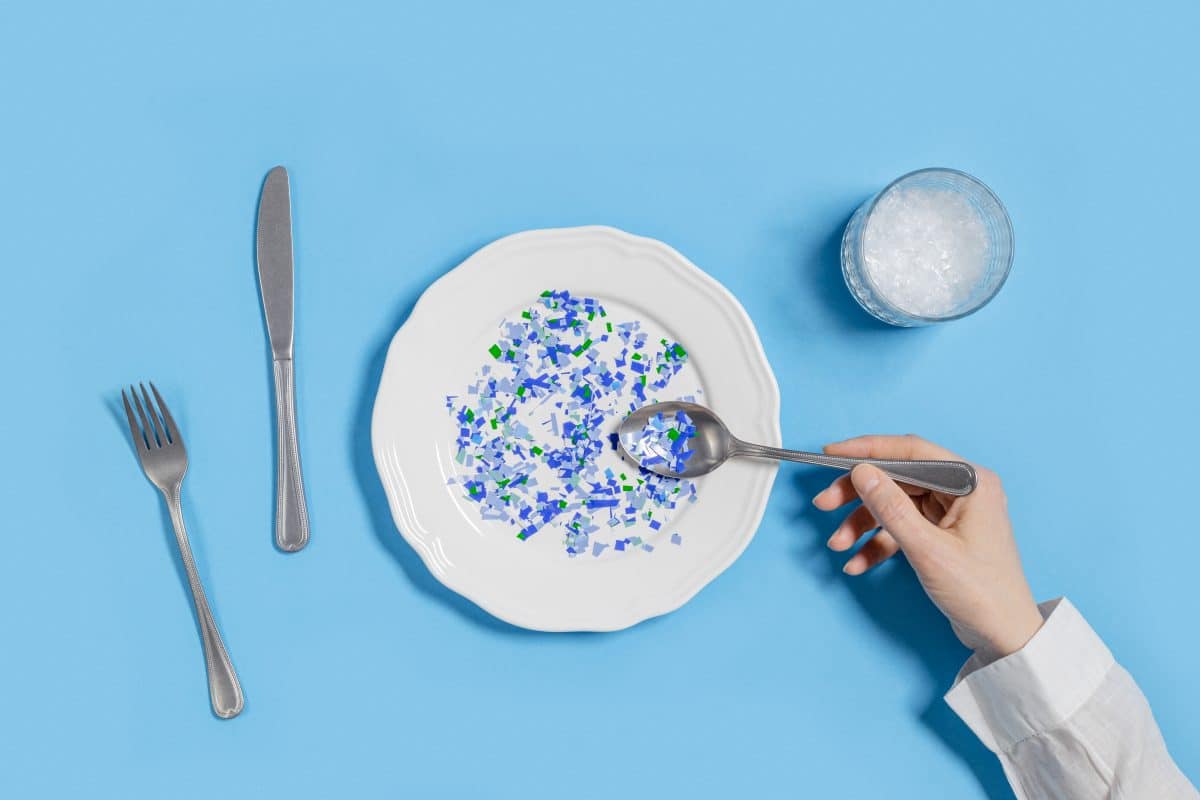

Did you know that tiny plastic particles (smaller than a grain of sand) are hiding in the water you drink, the food you eat, and even the air you breathe? Recent studies have confirmed what many of us feared: microplastics are everywhere, including inside our bodies. These nearly invisible fragments come from the breakdown of plastic waste, synthetic fibers, and everyday products, silently weaving their way into our daily lives.
So, what can we do about it? Is it even possible to avoid them? While we may not be able to eliminate microplastics completely, there are ways to significantly reduce our exposure.
Below, we’ll break down what microplastics are, how they contaminate food and water, and how to avoid microplastics in everyday life. We’ll also cover practical steps—from choosing reusable alternatives to smarter plastic use—to protect yourself and the natural environment from the growing impact of microplastics.
The long-term effects of these small plastic particles are still being studied, but one thing is clear: the less we ingest, the better.
What Are Microplastics?

Microplastics are small plastic particles less than 5 millimeters in size. They originate from larger plastic items that break down over time due to factors such as sunlight, wind, and wear and tear. They can also be intentionally manufactured for use in personal care products, such as cosmetics and exfoliating scrubs, as well as certain types of plastics used in food packaging.

Before we cover how to avoid microplastics, let’s take a look at a few ways microplastics might negatively affect human health:
- Ingestion and Inhalation: Microplastics can enter the human body through inhalation or ingestion of contaminated food, water, or air. Studies have shown that microplastics have been found in human stool, suggesting that they may accumulate in the gut.
- Chemical Exposure: Microplastics absorb harmful chemicals like pesticides, heavy metals, and persistent organic pollutants (POPs). When ingested, these toxins can enter the body and potentially cause health risks.
- Inflammation and Immune Response: Research indicates that microplastics can trigger inflammation in the body. The immune system may react to these particles, causing chronic inflammation linked to autoimmune diseases and some cancers.
- Hormonal Disruption: Certain microplastics contain additives like Bisphenol A (BPA) and phthalates, which are known endocrine disruptors. These chemicals can disrupt hormone function and impact reproduction, metabolism, and development.
- Long-term Health Effects: The long-term effects of microplastic exposure are still unclear, but there are growing concerns about its impact on human health, especially for vulnerable groups like children and pregnant women.
How Are Microplastics Contaminating Our Food and Water?
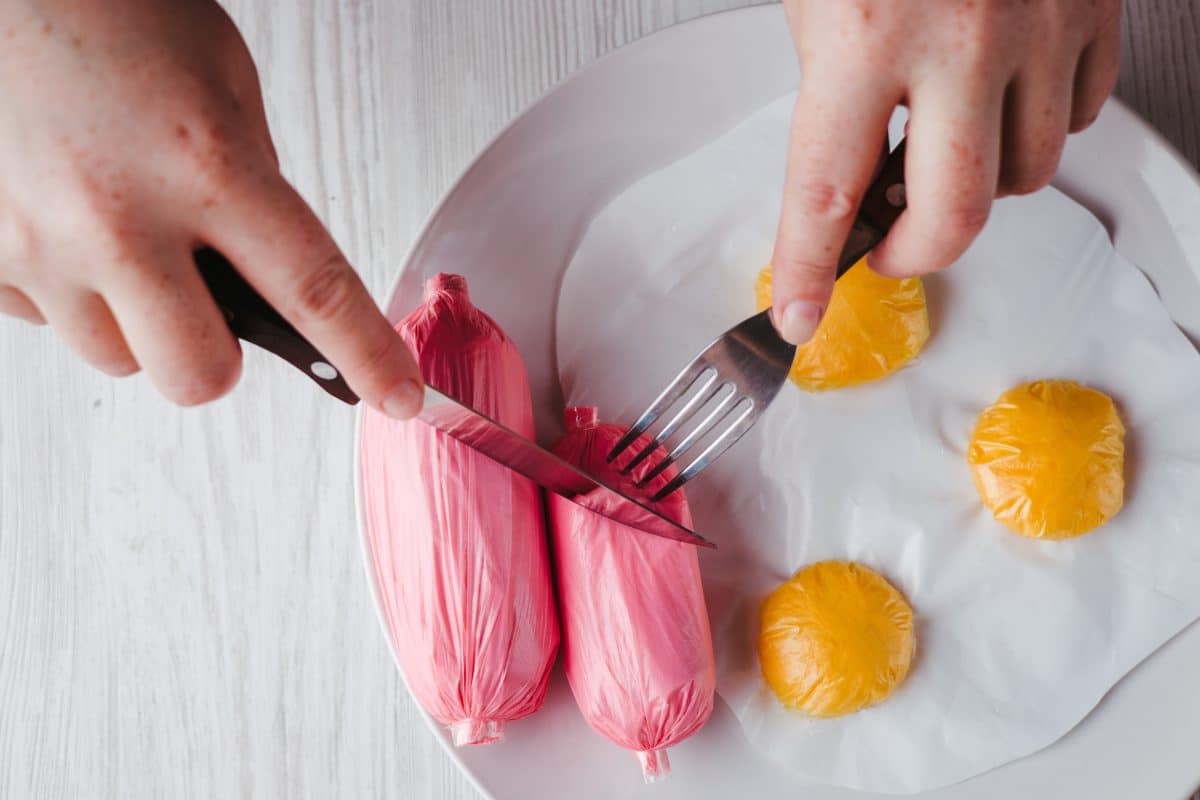
According to a recent study done by the University of Newcastle, Australia, the average person may be consuming approximately 5 grams of plastic each week—that’s roughly the same weight as a credit card!
It’s wild to think about, but microplastics sneak into our food and water in all kinds of ways. Here are a few examples:
Food Supply
Microplastics can enter the food chain in several ways. Seafood and livestock sometimes mistake microplastics for food, and when we eat seafood, we may also be consuming those tiny particles. Not only that, but fruits and veggies can soak up microplastics from polluted soil and water.
Water Supply
From tap water to plastic water bottles, microplastics have been detected in drinking water sources worldwide. They can enter our water systems from wastewater treatment plants, runoff from roads, and even airborne particles.
Processing and Packaging
Processed foods, such as fast food or ready-to-eat meals, often come wrapped in plastic containers or wrappers that can leach microplastics into the food. This risk becomes even greater when the packaging is exposed to high heat, potentially posing harmful health effects.
And it’s not just the obvious plastic items you need to be concerned about. Even tea bags, often thought to be made of paper, can release microplastics into your tea when steeped in hot water.
Whole Foods vs. Processed Foods: Microplastics Comparison
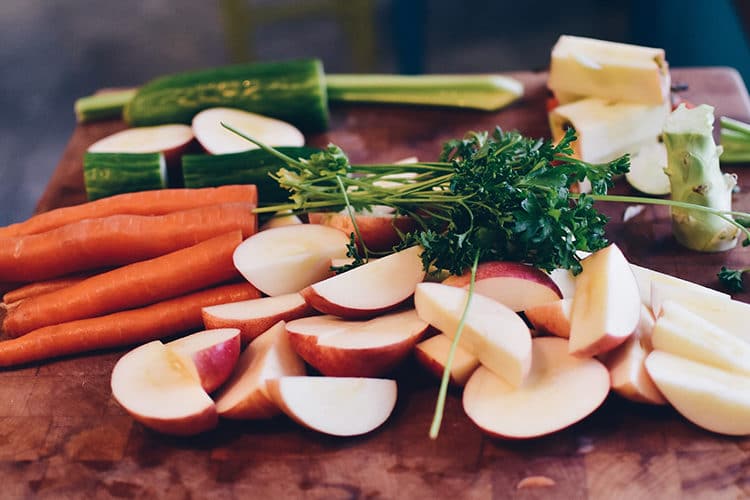

When it comes to microplastics and their relationship to our food choices, it’s important to look at the differences between whole foods and processed foods.
Whole Foods
These are foods that are minimally processed and don’t contain artificial additives. Think fresh produce such as fruits and vegetables, as well as grains and meats. Whole foods are generally less likely to have microplastic contamination since they don’t need a lot of packaging.
That said, they are not completely risk-free, as we unfortunately cannot control the environment in which they grow. Pesticides, herbicides, and other chemicals can still contaminate our food supply. However, choosing organic, locally sourced whole foods, or even growing your own veggies, can go a long way in cutting down on harmful substances in your diet.
Need some ideas? Here are a few of our favorite recipes using whole foods:
Processed Foods
These foods might be more convenient, but they can come with a higher risk of microplastic contamination from packaging and the manufacturing process. For example, microwavable meals in plastic containers can release microplastics when heated. Studies have also found that packaged snacks and ready-to-eat meals tend to have higher levels of microplastics.
Whenever you can, try opting for whole foods—they’re a great way to avoid these tiny particles while sticking to healthier options. No need to overthink it, though. Just be mindful of the kind of food you’re eating!
Convenience doesn’t have to come at the cost of your health or the planet. Check out these quick and easy recipes that are good for you and kind to the environment:
How to Avoid Microplastics and Reduce Exposure
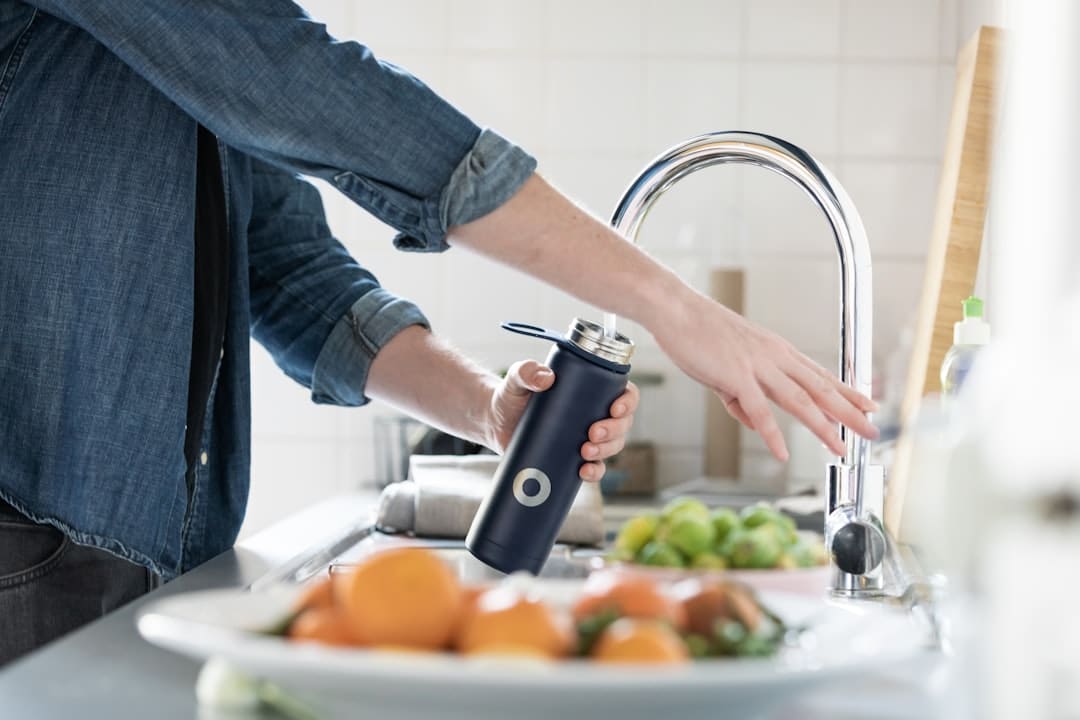
The good news is that we can do quite a bit to fight against microplastics! Below, you’ll find some helpful tips on how to avoid microplastics:
- Choose Whole Foods: Focus on fresh, minimally processed foods. Look for local farmers’ markets and organic options. The less packaging, the better! Check out our 11 Paleo-Friendly Dinners for some awesome recipe ideas using whole foods!
- Be Mindful of Packaging: Go for items with less plastic packaging. Swap in glass containers or stainless steel for storage, and try wooden cutting boards instead of plastic ones—easy changes that make a difference.
- Filter Your Water: Consider using a water filter certified to remove microplastics. This can provide peace of mind regarding the quality of your drinking water.
- Reduce Fast Fashion: Microplastics are released into the environment when synthetic fabrics, such as polyester, are washed. Opt for natural fabrics like cotton or linen, and wash synthetic clothes in a Guppyfriend bag to catch fibers.
- Educate Yourself: Awareness is vital. Stay informed about the issues related to microplastics and their environmental impact. The more you know, the better decisions you can make.
- Cook at Home: Preparing meals at home allows you to control ingredients and packaging. It also promotes a healthier lifestyle overall!
- Participate in Clean-Up Efforts: Join community events to clean up local beaches, parks, and rivers. Taking action helps to reduce environmental pollution and raises awareness.
Tiny Steps, Huge Impact
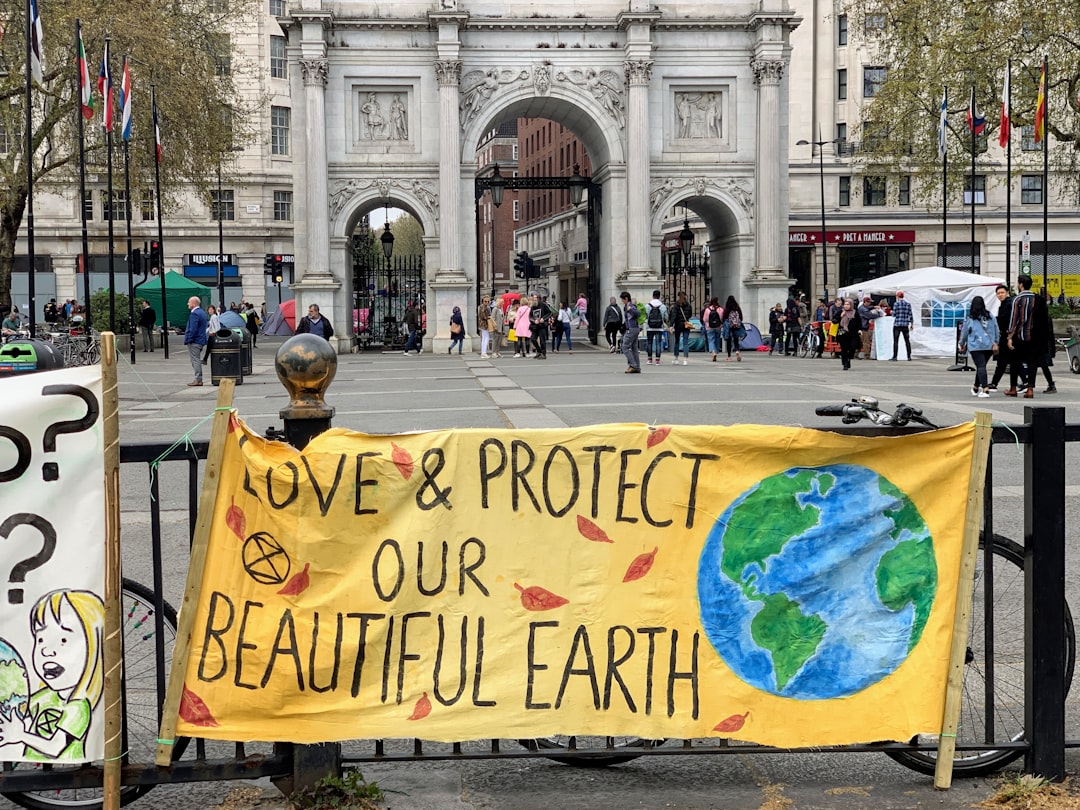
If microplastics have shown us anything, it’s that even the tiniest things can leave a big, lasting impact. But guess what? So can you!
Microplastics are 1000% a concern, but when it comes to how to avoid microplastics, there are simple ways to reduce your exposure without the stress, doom, or gloom. By making small changes—like choosing natural materials, avoiding single-use plastics, and making simple swaps in your diet (try our 25 Best Paleo Recipes!)—you can cut down on microplastics while sticking to whole foods and pushing for better environmental protection. Awareness is the first step to making a change, and together, we can tackle the microplastics issue in our food.
Let’s take these steps, empower ourselves with knowledge, and make choices that support our health and the planet!
Want more more healthy living articles, nutritious recipes, and more delivered directly to your inbox? Sign up today!
You can also follow us on Facebook and Pinterest for all of our latest and greatest content.



Add comment