

Natural flavors sound healthy, but they may include hidden additives and animal products. Here’s what they are, how they’re made, and how to avoid them.


Ever wonder what “natural flavors” are and why they show up on so many food labels? They sound innocent—maybe even wholesome—but the truth is far less clear-cut. These lab-created flavor concentrates are legally derived from plant or animal sources, but often contain dozens of undisclosed ingredients. If you’re avoiding allergens, animal products, or just want more transparency, it’s time to look closer at what “natural flavor” really means.
Why I Stopped Buying Products With “Natural Flavors”

I used to love a particular vanilla plant-based milk. Just three ingredients: water, oats (or nuts), and “natural vanilla flavor.” It made my morning coffee taste amazing. Then I emailed the company and asked a simple question: “What’s actually in your natural flavor, I’d like to know the ingredients?” They responded with, “It’s proprietary.” That told me everything I needed to know. If it were just vanilla bean and lemon peel, they’d proudly say so. That was the day I started removing “natural flavors” from my cart—and the inspiration behind this post.
Related: How to Make A Healthy Coffee Creamer
The Legal Definition (U.S.) in Plain English
Under FDA rules, a “natural flavor” must derive its flavor components from natural sources—fruits, vegetables, herbs, meat, seafood, dairy, eggs, or fermentation byproducts. But that’s just the start. These flavorings can then be processed using high-heat, solvents, enzymes, fermentation, and other methods. What’s more concerning: the law allows “incidental additives” (like propylene glycol, glycerin, BHA, and emulsifiers) to be included without being individually listed.
Natural vs. Artificial Flavors
Both are made in labs. The only difference is the starting point:

- Natural flavor starts from a plant or animal.
- Artificial flavor starts from a synthetic compound.
Either can contain dozens of chemicals used to preserve, carry, or enhance the flavor. “Natural” doesn’t mean simpler or safer.
What Can Be Inside a “Natural Flavor”?
Here’s what may be hiding inside:
- Essential oils
- Enzyme-modified extracts
- Oleoresins
- Fermentation byproducts
- Animal extracts
- Solvents (propylene glycol)
- Preservatives (BHA)
- Emulsifiers and carriers
All of this can legally be labeled under one tidy phrase: natural flavor.
Pet Food Implications

In pet food, “natural flavor” often comes from hydrolyzed animal proteins or yeast extracts. If your pet has food sensitivities or dietary restrictions, ask the manufacturer directly about the source—or better yet, make your own dog food using whole, simple ingredients. I’ve created a lot of healthy dog food recipes. You can find them all on our website.
Make these recipes for your family dog:
This Homemade Ground Turkey and Veggie Dog Food is one of my most popular recipes. You can see how it’s made in this video
Another dog (and dog parent) approved recipe is this Homemade Beef and Turkey Dog Food Recipe. Watch us make it in this video!
Clean Label Strategies: How to Avoid Hidden “Natural Flavors”
Want to keep your pantry real and transparent? Try these:
- Choose products with real ingredients listed by name
- Buy unflavored versions and flavor them yourself
- Contact brands and ask for full disclosure
- Opt for short, understandable ingredient lists
- Make more meals and snacks at home
- Use herbs, spices, citrus zest, or vanilla extract for flavor
- Write your congressional representatives and senators to demand clearer labeling laws
Are Natural Flavors “Bad”—Or Just Opaque?
They’re not always harmful—but they are often undisclosed, and that’s the real issue. Without full transparency, we’re left guessing. And we deserve better than that.
Label-Reading Mini Checklist
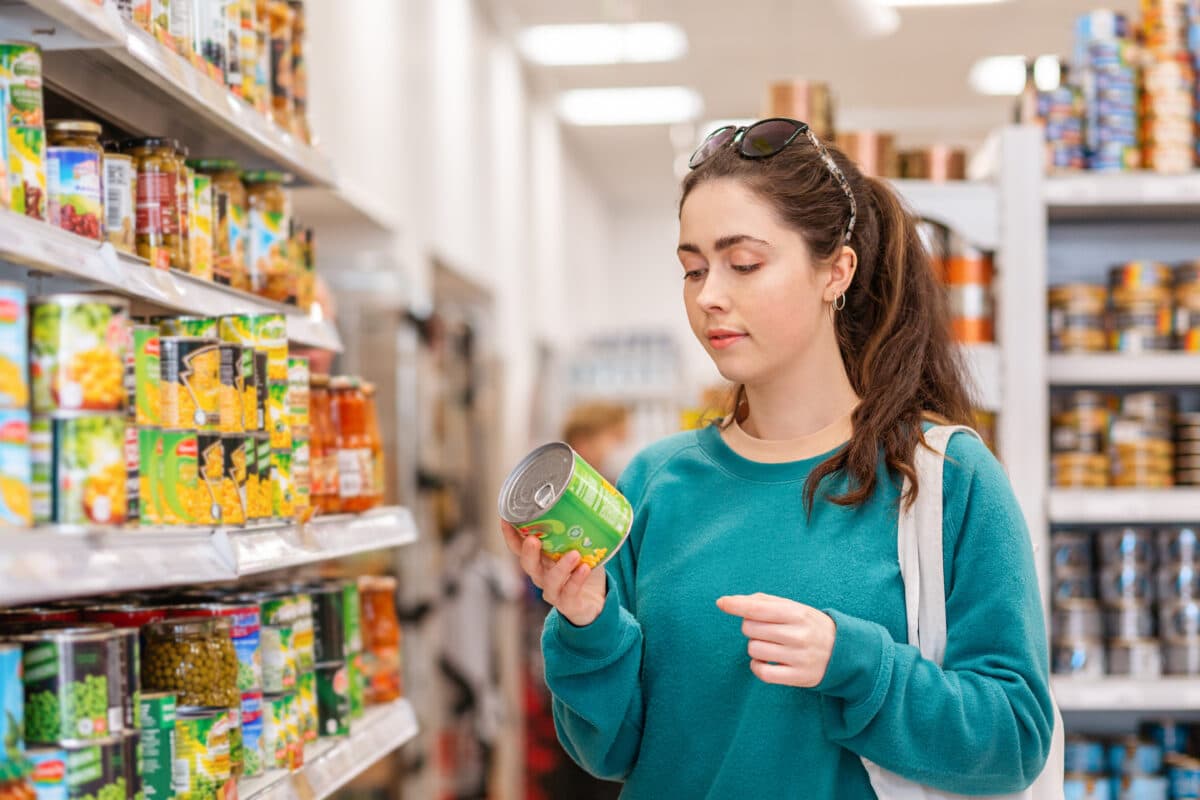
- Natural flavor listed with no detail? ➤ Ask the brand
- Long list of additives? ➤ Likely ultra-processed
- Vegan/kosher label? ➤ Still confirm with the company
- Pet food? ➤ Ask what the protein source is
How to Ask a Company
Here’s a sample email:
Subject: Question About Natural Flavor in Your [Product Name]
Hi, I love your but try to avoid “natural flavors” unless I know what’s in them. Could you please clarify:
- What are the primary source materials?
- Are there any animal products, allergens, or solvents used?
- What is the carrier system, if any?
Thank you for supporting informed choices. —[Your Name]
You may or may not want to contact a company. If not, you may want to consume products without “natural flavors”.
FAQs
Q: Are natural flavors healthier than artificial flavors?
A: Not always. Both can be lab-processed with hidden additives.
Q: Can they contain MSG?
A: Not directly labeled, but some may contain glutamates that act similarly.
Q: Are they gluten-free?
A: Often yes, but always verify.
Q: Can they cause migraines?
A: Possibly—some people report sensitivity to certain flavoring agents.
Practical Swap Ideas

1. Swap flavored yogurt ➤ for plain yogurt + real fruit
Check out: Red, White, and Blue Parfait
2. Swap flavored drinks for sparkling water + citrus
Check out: 55 Summer Fruit Infused Water Recipes For Weight Loss (Citrus Spritz Mocktail pictured above.)
3. Swap seasoned snacks for homemade spiced chickpeas
Check out: Roasted Chickpeas or Sweet Potato Chips
4. Swap flavored plant milks for unflavored + DIY vanilla or cinnamon
Check out: Cinnamon Rice Milk
Conclusion
Replace one product a week that contains “natural flavors” with something real. Keep things like vanilla bean, lemon zest, herbs, and cinnamon on hand to flavor dishes and desserts.
Instead of asking, “Is this allowed?” ask, “Does this support the life I want?” Real food gives you clarity, energy, and peace of mind.
This post is meant to share personal, research-informed opinions for educational purposes. It is not medical or veterinary advice. Always consult with your doctor or vet when making health decisions.
As for me—I simply want to know what I’m putting into my body. Whether it’s healthy or indulgent, it should be my informed choice. And that starts with knowing what’s in our food.
Are you on social media? SkinnyMs. is! Follow along on Pinterest, Instagram, or Facebook.



Add comment